









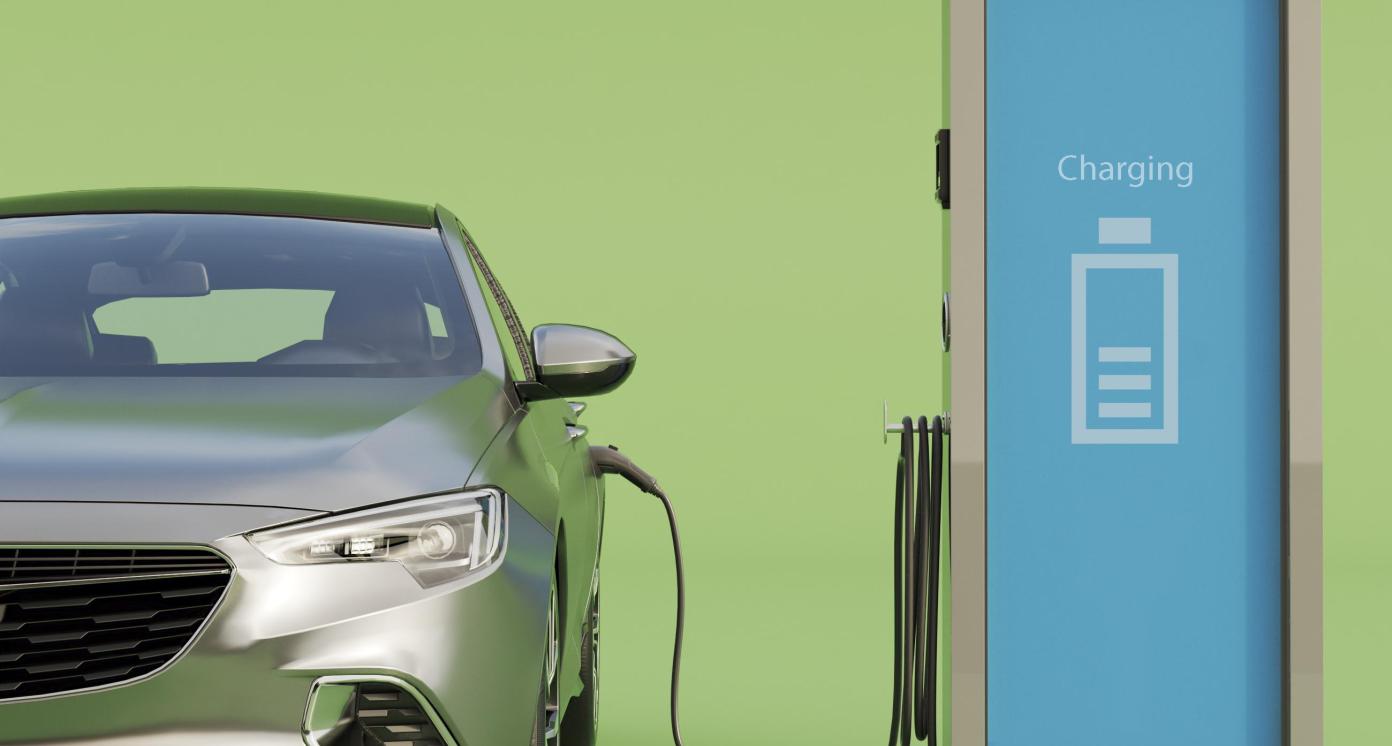
Manufacturing Technologies for EV Transport
Manufacturing Technologies for EV Transport
Business Model Description
Establish manufacturing plants for EV transition, producing charging cables, contact systems, connectors, modular high-voltage units, and battery electronics. Revenues come from supply contracts with EU Tier-1/Tier-2 automotive suppliers (Romania, Germany, Poland, Slovakia), regional EV infrastructure markets (Romania, Ukraine, Balkans), and modest domestic demand, supported by EU Green Deal alignment and export integration.
Expected Impact
EV technology and component manufacturing in Moldova can drive green industrialization, reduce transport emissions, and create skilled jobs while positioning Moldova in the EU low-carbon value chain.
How is this information gathered?
Investment opportunities with potential to contribute to sustainable development are based on country-level SDG Investor Maps.
Disclaimer
UNDP, the Private Finance for the SDGs, and their affiliates (collectively “UNDP”) do not seek or solicit investment for programmes, projects, or opportunities described on this site (collectively “Programmes”) or any other Programmes, and nothing on this page should constitute a solicitation for investment. The actors listed on this site are not partners of UNDP, and their inclusion should not be construed as an endorsement or recommendation by UNDP for any relationship or investment.
The descriptions on this page are provided for informational purposes only. Only companies and enterprises that appear under the case study tab have been validated and vetted through UNDP programmes such as the Growth Stage Impact Ventures (GSIV), Business Call to Action (BCtA), or through other UN agencies. Even then, under no circumstances should their appearance on this website be construed as an endorsement for any relationship or investment. UNDP assumes no liability for investment losses directly or indirectly resulting from recommendations made, implied, or inferred by its research. Likewise, UNDP assumes no claim to investment gains directly or indirectly resulting from trading profits, investment management, or advisory fees obtained by following investment recommendations made, implied, or inferred by its research.
Investment involves risk, and all investments should be made with the supervision of a professional investment manager or advisor. The materials on the website are not an offer to sell or a solicitation of an offer to buy any investment, security, or commodity, nor shall any security be offered or sold to any person, in any jurisdiction in which such offer would be unlawful under the securities laws of such jurisdiction.
Country & Regions
- Republic of Moldova: Central Development Region
Sector Classification
Technology and Communications
Development need
Despite strong growth, Moldova lags regional peers in digital infrastructure, e-governance, and digital skills integration. Bridging the digital divide in rural areas and upgrading digital services is key for competitiveness and EU integration. (2,3,4)
Policy priority
The Digital Transformation Strategy of the Republic of Moldova 2023-2030 envisions transforming Moldova into a fully digital nation by 2030. (2)"
Gender inequalities and marginalization issues
Women and rural youth face limited access to digital training and infrastructure. Marginalized groups risk exclusion from high-value digital jobs. (3)
Investment opportunities introduction
ICT sector in Moldova is shifting from basic telecom and internet service provision to high-value, export-oriented IT services, including software, cloud, IoT, fintech, and outsourced services, leveraging cost competitiveness, talent, and a favourable regulatory and tax environment. (1)
Key bottlenecks introduction
Challenges include brain drain; limited venture capital availability; gaps in rural connectivity; and heavy reliance on external markets. Unclear implementation of digital standards and slow public sector modernization also hinder sector growth. (3)
Technology
Development need
Moldova’s green transition requires fostering local clean technologies and scaling investment in green sectors to reduce external dependence, create jobs, and align with EU Green Deal commitments. (5,6)
Policy priority
The National Energy and Climate Plan (NECP 2025–2030) sets targets for transport decarbonization. The Environmental Strategy 2030 promotes clean mobility. The EU–Moldova Association Agreement requires alignment with EU vehicle efficiency and emissions standards, creating demand for EV infrastructure and components. (7,8)
Gender inequalities and marginalization issues
). Rural communities and low-income households face exclusion from EV transition due to high upfront costs and limited access to charging infrastructure. (9)
Investment opportunities introduction
High demand for EV component manufacturing (cables, connectors, battery electronics) to serve both domestic market and EU export chains. Moldova’s proximity to EU markets and low labor costs make it attractive for investors. Partnerships with EU automakers and green financing facilities present additional opportunities.(10,11)
Key bottlenecks introduction
Limited skilled workforce for advanced manufacturing and R&D. Inadequate charging infrastructure and slow EV adoption in domestic market. (12,13)
Electronic Manufacturing Services and Original Design Manufacturing
Pipeline Opportunity
Manufacturing Technologies for EV Transport
Establish manufacturing plants for EV transition, producing charging cables, contact systems, connectors, modular high-voltage units, and battery electronics. Revenues come from supply contracts with EU Tier-1/Tier-2 automotive suppliers (Romania, Germany, Poland, Slovakia), regional EV infrastructure markets (Romania, Ukraine, Balkans), and modest domestic demand, supported by EU Green Deal alignment and export integration.
Business Case
Market Size and Environment
USD 100 million - USD 1 billion
Moldova’s EV market is small but growing: 6,612 fully electric vehicles are registered in Moldova; and 57,879 hybrid vehicles (including plug-in) are registered. Domestic demand is limited; scale comes from export. Auto parts exports already exceed €700M annually, offering entry into EU EV supply chains.(18,19)
Indicative Return
10% - 15%
Moldova offers low labor costs, FEZ tax incentives, and export access to EU auto supply chains. Margins remain moderate due to limited domestic demand, and high utilization issues. (20,21,22)
Investment Timeframe
Medium Term (5–10 years)
EV component plants are capital intensive, requiring upfront investment in machinery, certification, and skilled labor. Moldova’s low wages, FEZ incentives, and EU market access support profitability, but limited domestic demand slows cash recovery.
Ticket Size
> USD 10 million
Market Risks & Scale Obstacles
Capital - CapEx Intensive
Market - Highly Regulated
Market - Volatile
Business - Supply Chain Constraints
Impact Case
Sustainable Development Need
Dependence on imported fossil-fuel vehicles exacerbates trade deficits and energy insecurity. Developing EV manufacturing aligns with EU integration and supports Moldova’s 2030 carbon reduction commitments. (17)
Gender & Marginalisation
Rural and low-income households may be marginalized if EV costs and infrastructure remain inaccessible.
Expected Development Outcome
Local EV technology and component production reduces import dependency, enhances Moldova’s participation in EU supply chains, and creates high-skill jobs. It supports industrial diversification, lowers emissions, and accelerates the transition to sustainable mobility
Gender & Marginalisation
Expanding EV infrastructure in rural areas ensures equitable access and prevents concentration of benefits in urban centers only.
Primary SDGs addressed
9.2.1 Manufacturing value added as a proportion of GDP and per capita
7.2.1 Renewable energy share in the total final energy consumption
Moldova’s state agency report indicates renewables reached 16.7% in 2024, up from 9.2% in 2023. (25)
30% share by 2030, as outlined in Moldova’s Integrated National Energy and Climate Plan.(26)
13.2.2 Total greenhouse gas emissions per year
Moldova emitted approximately 4.4 t CO₂e per capita, based on NDC data. (24)
Moldova commits to reduce economy-wide net GHG emissions by 75% below 1990 levels by 2030. Conditional on international support, Moldova also aims for net-zero emissions by 2050. (24)
Secondary SDGs addressed
Directly impacted stakeholders
People
Gender inequality and/or marginalization
Planet
Corporates
Indirectly impacted stakeholders
People
Gender inequality and/or marginalization
Planet
Corporates
Public sector
Outcome Risks
Traditional auto repair/parts sectors may shrink.
EV tech could remain inaccessible to low-income consumers.
Manufacturing plants increase energy/water demand.
Over-reliance on EU market demand makes sector vulnerable.
Gender inequality and/or marginalization risk: Benefits may concentrate in industrial hubs, excluding rural regions.
Impact Risks
Global supply chain shocks (e.g., lithium, semiconductors) delay production.
Failure to meet EU quality standards undermines exports.
Positive climate impact diminishes if EV adoption stalls domestically.
Limited data on Moldova’s EV readiness and industrial absorption.
Gender inequality and/or marginalization risk: Exclusion of women/youth from workforce strategies.
Impact Classification
What
Transition to low-carbon transport; potential reduction in GHG emissions and new industrial jobs.
Who
Directly impacts industrial workforce and EU export partners; underserved groups include rural workers and women in STEM.
Risk
Market volatility, supply chain disruptions, and uneven social inclusion.
Contribution
EV manufacturing unlikely to emerge without targeted investment and policy incentives.
Impact Thesis
EV technology and component manufacturing in Moldova can drive green industrialization, reduce transport emissions, and create skilled jobs while positioning Moldova in the EU low-carbon value chain.
Enabling Environment
Policy Environment
National Industrialization Plan for 2024-2028 prioritizes automotive / automotive components among the six strategic sectors eligible for state support. (14)
National Energy and Climate Plan (NECP) 2025–2030 – Targets 30% renewables and reduced GHGs, creating demand for EV infrastructure and supply chains. (28)
The Growth Plan of the Republic of Moldova, recently launched, places the green and digital transitions at the core of the structural transformation of our national economy. (27)
Financial Environment
Financial incentives:Projects in the automotive components sector (if they meet thresholds) are eligible for grants and tax incentives: e.g. up to 60 % of total investment for medium/large firms, and up to 75 % for small firms.(14)
Fiscal incentives: Moldova’s Free Economic Zones offer investors 0% corporate income tax for up to five years (with minimum investment thresholds), 0% VAT and customs/excise duties, plus a 10-year guarantee against legislative changes. (29)
Other incentives: Grant (25 % of awarded support) plus an income tax exemption (75 %) is provided for qualifying automotive projects. (29)
Regulatory Environment
Law No. 10/2016 on promotion of energy use from renewable sources – Establishes support schemes for renewable and clean-energy-linked industries.
Marketplace Participants
Private Sector
Automotive suppliers, energy companies, logistics firms, Moldovan ICT cluster (digital integration).
Government
Ministry of Economy, Ministry of Environment, ANRE, Invest Moldova Agency.
Multilaterals
EBRD, EIB, World Bank, EU Delegation to Moldova.
Non-Profit
Green NGOs (e.g., EcoContact), STEM education programs for women/youth.
Target Locations

Republic of Moldova: Central Development Region
References
- (1) Invest Moldova. 2025. ICT Sector in Moldova. https://invest.gov.md/en/ict-sector-in-moldova/
- (2) The Ministry of Economic Development and Digitalization (MDED) of the Republic of Moldova. 2023. The Digital Transformation Strategy of the Republic of Moldova for 2023-2030. https://mded.gov.md/transparency/digital-transformation-strategy-2023-2030/
- (3) OECD. 2023. Promoting Digital Business Skills in the Republic of Moldova. https://www.oecd.org/en/publications/2023/06/promoting-digital-business-skills-in-the-republic-of-moldova_dc179cd2.html
- (4) UNDP Moldova. 2025. Digital Transformation. https://www.undp.org/moldova/our-focus/digitaltransformation
- (5) SEI. 2025. New national assessment shows progress on Moldova’s green transition. https://www.sei.org/features/national-assessment-moldova-green-transition/
- (6) UNDP/EU. 2024. Enabling an Inclusive Green Transformation in the Republic of Moldova. https://www.undp.org/sites/g/files/zskgke326/files/2024-01/ANNEX-1Enabling-an-Inclusive-Green-Transition-in-the-Republic-of-Moldova.pdf
- (7) UNDP Moldova. 2025. The National Energy and Climate Plan, approved by the Government. https://www.undp.org/moldova/press-releases/national-energy-and-climate-plan-approved-government
- (8) EU Lex. 2023. Association Agreement with Moldova. https://eur-lex.europa.eu/EN/legal-content/summary/association-agreement-with-moldova.html
- (9) ICCT. 2025. Challenges and opportunities for the zero-emission vehicle transition in rural regions. https://theicct.org/wp-content/uploads/2025/03/ID-294-%E2%80%93-Rural-EVs_IZEVA_final.pdf
- (10) Invest Moldova. 2024. Moldova's Electronics Sector: Attracting International Brands and Boosting Exports. https://invest.gov.md/en/moldovas-electronics-sector-attracting-international-brands-and-boosting-exports/
- (11) German Economic Team. 2022. Moldova’s industrial export potential on the EU market (Presentation). https://www.german-economic-team.com/wp-content/uploads/2022/09/GET_MDA_PB_08_2022.pdf
- (12) UNECE. 2024. Building a Resilient and Carbon-Neutral Energy System in the Republic of Moldova. https://unece.org/sites/default/files/2024-10/Report%20-%20Carbon%20Neutral%20and%20Resilient%20Energy%20System%20in%20Moldova%20-%20October%202024.pdf
- (13) ILO. 2025. Decent Work Country Programme 2025-2027 Republic of Moldova. https://www.ilo.org/sites/default/files/2025-07/Decent%20Work%20Country%20Programme%20Moldova%202025-2027.pdf
- (14) Invest Moldova. 2025. Support for strategic industrial investments in the Republic of Moldova. https://invest.gov.md/en/support-for-strategic-industrial-investments-in-the-republic-of-moldova/#:~:text=The%20National%20Industrialization%20Plan%202024,base%20aligned%20with%20future%20demands.
- (15) EBRD Green Economy Financing Facility. 2025. The Facility. https://ebrdgeff.com/moldova/the-facility/
- (16) Invest Moldova. 2025. New Local Investments in Electromobility: Made in Moldova. https://invest.gov.md/en/new-local-investments-in-electromobility-made-in-moldova/
- (17) UNECE. 2024. Building a Resilient and Carbon-Neutral Energy System in the Republic of Moldova. https://unece.org/sites/default/files/2024-10/Report%20-%20Carbon%20Neutral%20and%20Resilient%20Energy%20System%20in%20Moldova%20-%20October%202024.pdf
- (18) Moldpres. 2025. Number of electric cars registered in Moldova constantly increase in recent years. https://www.moldpres.md/eng/economy/number-of-electric-cars-registered-in-moldova-constantly-increase-in-recent-years
- (19) Invest Moldova. 2025. Automotive Sector in Moldova. https://invest.gov.md/en/automotive-sector-in-moldova/
- (20) European Commission. 2024. Commission Staff Working Document: Republic of Moldova 2024 Report. https://enlargement.ec.europa.eu/document/download/858717b3-f8ef-4514-89fe-54a6aa15ef69_en?filename=Moldova+Report+2024.pdf
- (21) PWC. 2025.Corporate - Tax credits and incentives. https://taxsummaries.pwc.com/moldova/corporate/tax-credits-and-incentives
- (22) World Bank. 2024. Moldova Economic Update: Macroeconomics, Trade and Investment Global Practice. https://thedocs.worldbank.org/en/doc/1ec6c88ebadf43eb174efb8bab3d8452-0080012024/original/Moldova-Economic-Update.pdf
- (23) Global Edge. 2025. Moldova: Risk Assessment. https://globaledge.msu.edu/countries/moldova/risk
- (24) Government of the Republic of Moldova. 2025. Nationally Determined Contribution 3.0 https://unfccc.int/sites/default/files/2025-05/MD_NDC_3.pdf
- (25) Infotag. 2025. Republic of Moldova Achieves New Record in Renewable Energy Production. https://www.infotag.md/economics-en/324232/
- (26) CNED. 2025. Installed Capacities. https://cned.gov.md/ro/content/capacitati-instalate
- (27) European Commission. 2024. Commission adopts €1.8 billion support package to underpin Moldova's economic growth plan on its path to the EU. https://ec.europa.eu/commission/presscorner/detail/it/ip_24_5124
- (28) UN Moldova. 2025. National Energy and Climate Plan https://moldova.un.org/en/290415-national-energy-and-climate-plan-approved-government
- (29) Invest Moldova. https://invest.gov.md/en/incentives-2/
- (30) IMARC Group (2025). Electric Vehicle Manufacturing Plant Project Report.https://www.imarcgroup.com/electric-vehicle-manufacturing-plant-project-report
- (31) OpenPR (2024). Guide for Electric Vehicle Component Manufacturing Plant. https://www.openpr.com/news/4168153/guide-for-electric-vehicle-component-manufacturing-plant
- (32) European Automobile Manufacturers’ Association (ACEA) (2023). Automotive Regulatory Guide 2023.https://www.acea.auto/files/ACEA-Regulatory-Guide-2023.pdf
- (33) Center for Automotive Research (CAR) (2017). Potential Cost Savings and Additional Benefits of Convergence of Safety Regulations between the United States and the European Union.https://www.cargroup.org/wp-content/uploads/2017/02/Potential-Cost-Savings-and-Additional-Benefits-of-Convergence-of-Safety-Regulations-between-the-United-States-and-the-European-Union.pdf
- (34) Bain & Company (2024). Building a Resilient Global EV Supply Chain Amid Uncertainty.https://www.bain.com/insights/building-a-resilient-global-ev-supply-chain-amid-uncertainty
- (35) Dimerco (2024). The EV Supply Chain Challenge.https://dimerco.com/ev-supply-chain-challenge/